Commercial Property Tax Grievance

Steven M. Fink, Esq.

How to Legally Lower Your Commercial Property Tax Burden

If you own a commercial building such as an office, retail center, medical suite, industrial warehouse, or apartment complex, you know that property taxes are one of your largest yearly expenses. The problem is, those taxes almost never go down on their own. Even in years when rent collections dip or vacancies rise, many owners watch their taxes quietly climb higher.


That’s why smart commercial property owners treat a tax grievance like an annual financial checkup. It’s not something you file once and forget about, instead it is part of protecting your bottom line.


What Is a Commercial Property Tax Grievance?


A commercial tax grievance is a formal process to lower your property’s assessed value. You’re not arguing about the tax rate or the school budget, but the number the assessor has assigned to your property. That number drives your taxes, and if it’s inflated, you’re paying too much.


Assessors often rely on market data that doesn’t reflect your reality. Maybe your rents are below market, or a tenant left and the space sat empty for months. Maybe expenses have increased and your cap rate has changed. None of that matters to the assessor unless you prove it to them through the tax grievance process.


Why Commercial Assessments Are Frequently Inflated?


Most assessors value commercial property based on income potential, not actual performance. They might assume full occupancy, market rent, and aggressive cap rates even if your building hasn’t seen those conditions in years. They don’t (or chose not to) see rent concessions, vacancies, tenant credit issues, or financing challenges. Unless you file, the system assumes your property is performing perfectly, on par with the assessor’s opinion of the local real estate market, and taxes you as such.


Why You Should File Every Year.


Many owners file once, get a reduction, and then stop. But assessed valuations are not locked in. They can rise again next year, often without notice. That’s why major portfolio owners and savvy property owners file annually—because staying proactive protects NOI and cash flow.


Importantly, filing a grievance does not trigger an audit. It doesn’t increase your assessment. It’s simply the legal process to correct an overvaluation. If successful, it can save thousands in taxes and directly increase your property’s value.


Bottom Line


A commercial property tax grievance isn’t about arguing with the county, town, village, or city, it’s about fairness and financial control. Whether you own one building or have an extensive portfolio, reviewing your assessment every year should be part of your routine management plan.


My office represents commercial property owners across New York, including retail landlords, medical offices, industrial buildings, multifamily investors, industrial parks, and everything in between. I can review your current assessment and let you know whether it’s worth filing. The process costs nothing to explore, but not filing could cost you for years to come.



Recent Posts

Property tax reform 2026 concept image showing a home, calculator, and tax documents
By Steven M. Fink, Esq. January 11, 2026
Property tax reform is accelerating in 2026. See what national changes could mean for Long Island homeowners and why understanding NY tax grievance rights matters.
Town of Babylon 2025/26 Tax Bills Released: Why Many Are Overpaying
By Steven M. Fink, Esq. December 12, 2025
Babylon’s 2025/26 tax bills are out. Many owners are paying more due to inflated assessments. Learn what to review and when a grievance makes sense
Long Island home — rising property taxes impacting homeowners and the need for tax grievance help
By Steven M. Fink, Esq. November 22, 2025
Long Island property taxes are rising. Why Suffolk and Nassau County assessments may not match real market values, why now is the best time to file a tax grievance.
Suffolk County lighthouse — rising property tax rates impacting Long Island homeowners
By Steven M. Fink, Esq. November 10, 2025
Suffolk County approved a $4.3B budget with a 3.18% property tax hike. Learn how Long Island homeowners can lower bills through property tax grievances
Sold sticker being placed on a home for sale sign — property tax grievance does not hurt resale value for sellers
By Steven M. Fink, Esq. October 19, 2025
Will filing a property tax grievance hurt your home’s resale value? Learn the truth about assessments, disclosures, and selling your Long Island home.
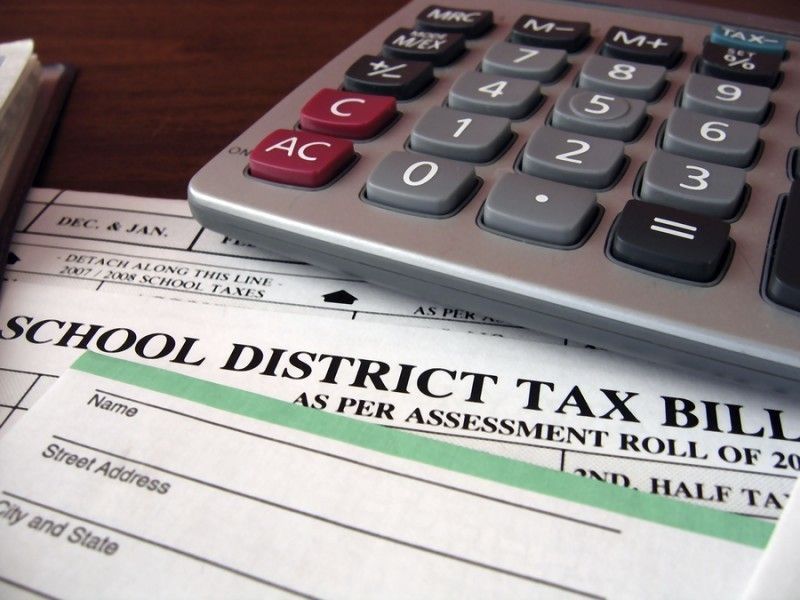
School tax bill and calculator — how school district budgets affect property taxes for homeowners
By Steven M. Fink, Esq. October 3, 2025
What Every Property Owner Should Know About School Taxes
House on Long Island — property taxes may be too high and a grievance could lower your tax bill
By Steven M. Fink, Esq. September 5, 2025
One of the most common questions property owners ask is: “ How do I know if my property taxes are too high ?” The answer often lies in your property’s assessed value. Each year, your local assessor assigns a value to your property. This number is supposed to reflect a fair estimate of your property’s market value, and it’s what determines the amount of your real estate taxes. Therefore, if the assessor’s value is too high, you end up paying more than your fair share of taxes. There are many reasons why a property may be over-assessed. Assessors sometimes rely on outdated records that don’t reflect renovations, demolitions, or changes in the neighborhood. In other cases, your home may have been compared to larger or more updated properties, resulting in an inflated value. And because the real estate market changes rapidly, assessments often fail to keep up with current market conditions, leaving owners paying more than their fair share in taxes. However, filing a tax grievance allows you to challenge your assessment and seek a reduction. Through the grievance process, your attorney can present evidence such as comparable sales of similar properties in your area, expert appraisals, and other documentation of property conditions that support a lower market value (for example, needed repairs). Even a small reduction in your assessed value can translate into thousands of dollars saved over time. Property taxes are recurring — so a fair assessment today ensures savings every year moving forward. While successfully securing a tax reduction could result in tax savings for years to come, our fee is only calculated based on the first year’s relief. If you suspect your property has been over-assessed, don’t wait until tax bills pile up. Each county, town, village, and city in New York has strict filing deadlines for grievances. Missing them could mean waiting another year to challenge your taxes. At Blodnick, Fazio & Clark, we focus on protecting property owners by making sure their assessments are fair. Contact us today to review your property’s assessment and see if you may be entitled to a reduction. 
Commercial building — property tax grievance can lower costs for commercial property owners
By Steven M. Fink, Esq. September 5, 2025
Most people think of tax grievances as something for homeowners, but commercial property owners often have even more at stake. For businesses, property taxes can be one of the largest fixed expenses, and an inflated assessment can dramatically impact profitability. Commercial assessments are especially prone to error because they’re often based on outdated or incomplete income and expense data, or on assumptions about occupancy and rental rates that don’t reflect the current market. For example, a retail building with vacant storefronts might still be assessed as though it were fully leased, resulting in a tax burden far higher than its actual income supports. Challenging a commercial assessment requires a careful analysis of both market value and income approach data, along with supporting financial records. While the process can be more complex than a residential grievance, the potential savings are substantial and often worth the effort. At Blodnick, Fazio & Clark, we represent a wide range of commercial property owners—from small business landlords to large-scale real estate investors—in ensuring their properties are fairly assessed. If your property’s taxes are cutting into your bottom line, it may be time to consider a tax certiorari challenge.