Riverhead Property Owners See Tax Bills Spike

Steven M. Fink, Esq.

Friar's Head Case: What Long Islanders Should Know

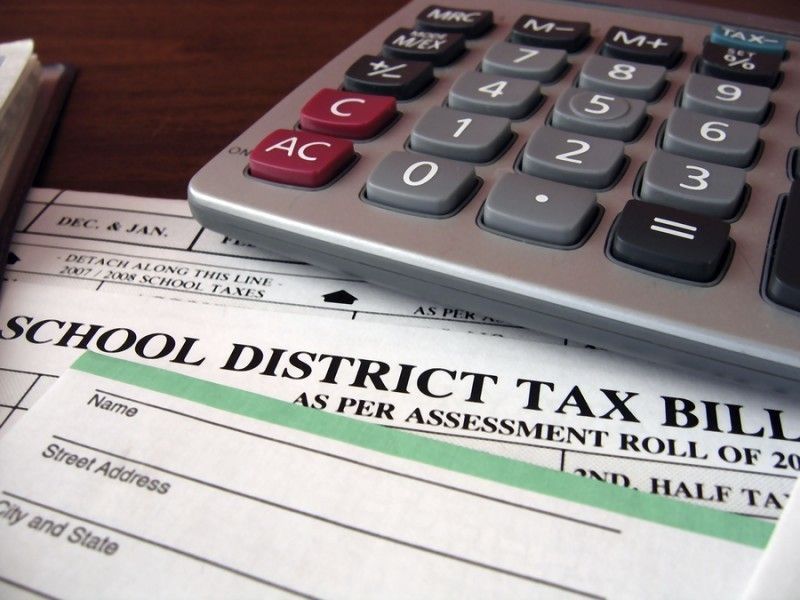
Many Riverhead property owners recently saw an unexpected increase on their tax bills tied to a large tax refund owed after a long-running property tax dispute involving Friar’s Head, the private golf club in Baiting Hollow.


The issue has frustrated many homeowners because they had no direct involvement in the litigation. However, when a municipality is required to refund taxes after a successful tax certiorari case, that cost can ultimately be spread across the tax base. The key takeaway is simple: property tax assessments matter.


What Happened?

Friar’s Head successfully challenged the assessed value of its property and obtained a substantial refund. As a result, Riverhead was required to account for that refund through tax charges imposed on property owners.


Importantly, this does not necessarily mean that each homeowner’s individual assessment increased. Rather, the higher bill was tied to the town’s obligation to fund prior tax refunds.


That distinction matters because a tax grievance usually challenges the assessed value of your own property. It is generally not a direct challenge to tax rates, town-wide charges, or refund-related charge-backs.


Can Homeowners Grieve This?

A homeowner usually cannot file a grievance simply because the tax bill went up. The better question is whether the property itself is over-assessed.


You may have grounds to file a grievance if your property is assessed as though it is worth more than its actual fair market value, or if similar properties appear to be assessed more favorably.


That is why property owners should review their assessments before the grievance deadline, not after receiving a tax bill.


Why This Matters Beyond Riverhead

The Friar’s Head case is a reminder that inaccurate assessments can have major consequences. For property owners, an excessive assessment can mean years of over-payment. For municipalities, assessment disputes can result in large refunds. For taxpayers generally, those refunds can affect future tax bills.


This is especially important for commercial and specialty properties, including golf courses, shopping centers, apartment buildings, mixed-use buildings, industrial properties, and office buildings, where valuation issues can be more complex.


Review Your Assessment

If you own property in Riverhead, Suffolk County, Nassau County, or elsewhere on Long Island, you should periodically review whether your assessment makes sense.


A review may be worthwhile if your property is assessed higher than its likely market value, your property has condition, vacancy, income, zoning, or marketability issues, you recently purchased the property for less than the value implied by the assessment, your tax bill increased and you want to understand whether the issue is your assessment or another charge.


Not every tax increase creates grounds for a successful grievance; however, if your property is over-assessed, filing a grievance may help reduce your tax burden.


Speak With a Long Island Property Tax Grievance Attorney

Blodnick Fazio & Clark represents homeowners and commercial property owners in Nassau County, Suffolk County, and throughout New York in property tax grievance and tax certiorari matters.


If you are concerned about your assessment or believe your property may be overvalued, contact us today to discuss whether a grievance may be appropriate.



Worried you're overpaying in property taxes? Request a free review today!

Recent Posts

L
By Steven M. Fink, Esq. March 28, 2026
Learn whether filing a New York tax grievance can trigger a town inspection or raise your assessment. What Long Island homeowners should know.
By Steven M. Fink, Esq. February 27, 2026
If your New York property taxes increased even though your home didn’t, learn why it happens and when a tax grievance can reduce future bills.
Property tax reform 2026 concept image showing a home, calculator, and tax documents
By Steven M. Fink, Esq. January 11, 2026
Property tax reform is accelerating in 2026. See what national changes could mean for Long Island homeowners and why understanding NY tax grievance rights matters.
Town of Babylon 2025/26 Tax Bills Released: Why Many Are Overpaying
By Steven M. Fink, Esq. December 12, 2025
Babylon’s 2025/26 tax bills are out. Many owners are paying more due to inflated assessments. Learn what to review and when a grievance makes sense
Long Island home — rising property taxes impacting homeowners and the need for tax grievance help
By Steven M. Fink, Esq. November 22, 2025
Long Island property taxes are rising. Why Suffolk and Nassau County assessments may not match real market values, why now is the best time to file a tax grievance.
Suffolk County lighthouse — rising property tax rates impacting Long Island homeowners
By Steven M. Fink, Esq. November 10, 2025
Suffolk County approved a $4.3B budget with a 3.18% property tax hike. Learn how Long Island homeowners can lower bills through property tax grievances
Large commercial building — property tax grievance services to reduce commercial property taxes on Long Island
By Steven M. Fink, Esq. October 31, 2025
How to Legally Lower Your Commercial Property Tax Burden
Sold sticker being placed on a home for sale sign — property tax grievance does not hurt resale value for sellers
By Steven M. Fink, Esq. October 19, 2025
Will filing a property tax grievance hurt your home’s resale value? Learn the truth about assessments, disclosures, and selling your Long Island home.
School tax bill and calculator — how school district budgets affect property taxes for homeowners
By Steven M. Fink, Esq. October 3, 2025
What Every Property Owner Should Know About School Taxes
House on Long Island — property taxes may be too high and a grievance could lower your tax bill
By Steven M. Fink, Esq. September 5, 2025
One of the most common questions property owners ask is: “ How do I know if my property taxes are too high ?” The answer often lies in your property’s assessed value. Each year, your local assessor assigns a value to your property. This number is supposed to reflect a fair estimate of your property’s market value, and it’s what determines the amount of your real estate taxes. Therefore, if the assessor’s value is too high, you end up paying more than your fair share of taxes. There are many reasons why a property may be over-assessed. Assessors sometimes rely on outdated records that don’t reflect renovations, demolitions, or changes in the neighborhood. In other cases, your home may have been compared to larger or more updated properties, resulting in an inflated value. And because the real estate market changes rapidly, assessments often fail to keep up with current market conditions, leaving owners paying more than their fair share in taxes. However, filing a tax grievance allows you to challenge your assessment and seek a reduction. Through the grievance process, your attorney can present evidence such as comparable sales of similar properties in your area, expert appraisals, and other documentation of property conditions that support a lower market value (for example, needed repairs). Even a small reduction in your assessed value can translate into thousands of dollars saved over time. Property taxes are recurring — so a fair assessment today ensures savings every year moving forward. While successfully securing a tax reduction could result in tax savings for years to come, our fee is only calculated based on the first year’s relief. If you suspect your property has been over-assessed, don’t wait until tax bills pile up. Each county, town, village, and city in New York has strict filing deadlines for grievances. Missing them could mean waiting another year to challenge your taxes. At Blodnick, Fazio & Clark, we focus on protecting property owners by making sure their assessments are fair. Contact us today to review your property’s assessment and see if you may be entitled to a reduction. 
Show More